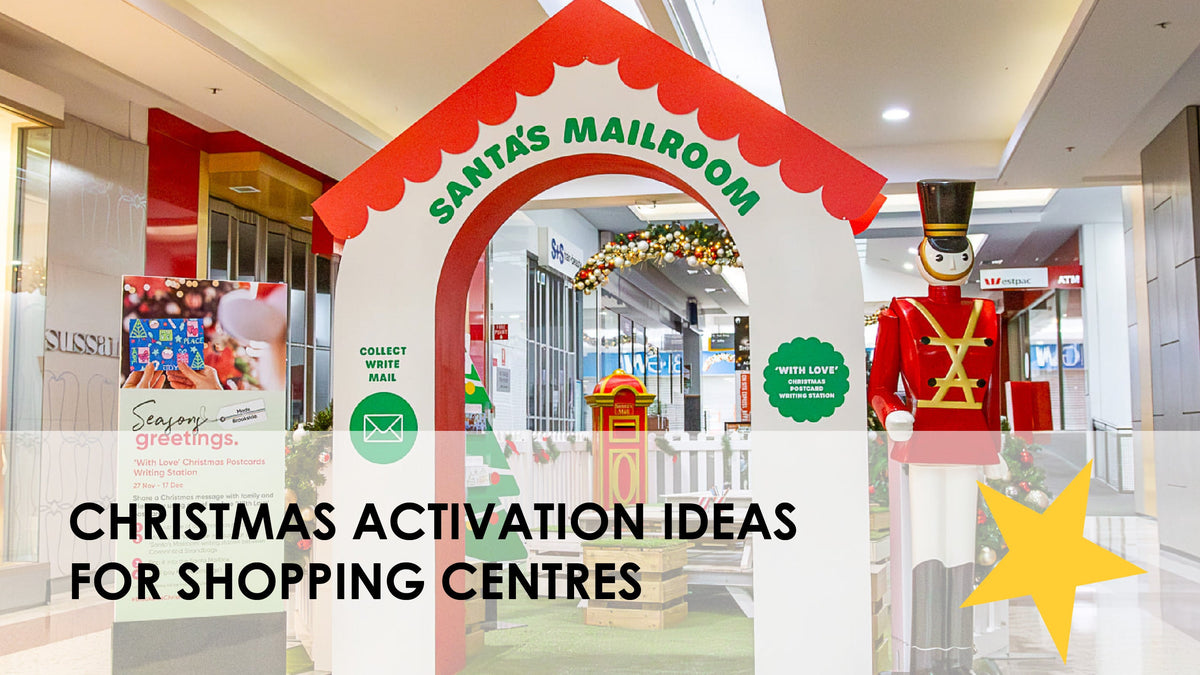


When guests arrive at a beautifully styled event, they see the finished product. The stunning entrance, the immersive installations, the perfectly placed furniture, the branded experiences, and the atmosphere that makes everything feel effortless.
What they don't see is the months of planning, coordination, creativity, and hard work that happened behind the scenes to bring it all together.
Whether it's a corporate conference, shopping centre activation, Christmas installation, product launch, community event, or large-scale brand experience, successful events don't happen by accident. They are the result of countless moving parts working together toward a shared vision.
So what actually goes into creating a large-scale event?
Let's take a look behind the scenes.
Every Great Event Starts with a Vision
Before a single prop is delivered or an installation begins, the planning process starts with one important question:
What is the event trying to achieve?
Every project begins by identifying objectives such as:
- Increasing foot traffic
- Building brand awareness
- Engaging customers
- Launching a product
- Celebrating a milestone
- Creating a memorable experience
Understanding the purpose of the event helps shape every decision that follows, from styling concepts to layout design and activation planning.
Without a clear vision, even the most impressive event can miss the mark.
From Concept to Creative Direction
Once objectives are established, the creative process begins.
This stage involves developing ideas that align with the event goals, audience, venue, and budget.
Creative planning may include:
- Theme development
- Mood boards
- Styling concepts
- Colour palettes
- Feature installations
- Interactive experiences
- Branded elements
The goal is to create a cohesive experience where every element contributes to the overall story.
This is often one of the most exciting stages of the process because ideas start to take shape and the event begins to come to life on paper.
Site Inspections and Planning
A great concept is only part of the equation.
Understanding the venue is equally important.
Before installation begins, event teams often conduct site inspections to assess:
- Access points
- Loading zones
- Power requirements
- Ceiling heights
- Safety considerations
- Traffic flow
- Installation logistics
What works perfectly in one venue may require significant adjustments in another.
Careful planning ensures the event not only looks impressive but also functions effectively.
Coordinating Hundreds of Moving Parts
Large-scale events often involve numerous suppliers, contractors, stakeholders, and service providers.
This may include:
- Event stylists
- Prop suppliers
- Installers
- Venue managers
- Lighting technicians
- Audio-visual teams
- Marketing teams
- Brand representatives
- Contractors
One of the biggest challenges behind any major event is ensuring everyone is working toward the same outcome.
Strong communication and project management are essential.
Sourcing the Perfect Props and Styling Elements
Once designs are approved, sourcing begins.
This process may involve selecting:
- Furniture
- Decorative props
- Backdrops
- Greenery
- Signage
- Seasonal styling elements
- Branded installations
- Feature pieces
For large projects, some items may be custom-built to suit the event concept.
Attention to detail at this stage plays a major role in creating a polished final result.
Logistics: The Part Nobody Sees
One of the least visible but most important aspects of event delivery is logistics.
Before guests arrive, teams are often coordinating:
- Transport schedules
- Delivery timelines
- Installation sequencing
- Equipment handling
- Storage requirements
- Access permits
- Safety procedures
For major activations and installations, logistics planning can begin months before the event itself.
When logistics are managed well, the event appears seamless to attendees.
Installation Day
Installation day is where months of planning become reality.
Depending on the size of the project, installation may take:
- Several hours
- Multiple days
- Entire weeks
Teams work together to:
- Position furniture
- Build installations
- Install props
- Set up branding
- Test lighting
- Finalise styling details
What may look effortless to guests often involves countless hours of physical work behind the scenes.
Solving Problems in Real Time
No matter how carefully an event is planned, unexpected challenges can arise.
These may include:
- Weather changes
- Venue restrictions
- Delivery delays
- Technical issues
- Last-minute client requests
Experienced event teams understand how to adapt quickly while maintaining the overall vision.
Problem-solving is often one of the most valuable skills in event delivery.
Many guests never realise challenges occurred because solutions are implemented before they notice anything has changed.
The Final Styling Touches
As installation nears completion, attention turns to the finer details.
This stage often involves:
- Adjusting layouts
- Refining displays
- Styling feature areas
- Testing guest experiences
- Ensuring visual consistency
These finishing touches are often what elevate an event from good to exceptional.
The smallest details can have the biggest impact on how guests experience a space.
Opening the Doors
After weeks or months of preparation, the moment finally arrives.
Guests enter the space and experience the event for the first time.
What they see is:
- A seamless environment
- A cohesive experience
- A professionally executed vision
What they don't see are the countless hours of planning, coordination, problem-solving, and teamwork that made it possible.
And that's exactly how it should be.
The best events feel effortless.
Measuring Success
The work doesn't stop once the event begins.
After the event, teams often evaluate:
- Attendance numbers
- Foot traffic
- Customer engagement
- Social media activity
- Client feedback
- Event objectives
- Overall outcomes
This information helps determine what worked well and informs future projects.
Successful events are always evolving.
Why Experience Matters
Large-scale events involve much more than styling and decoration.
They require strategic planning, creative thinking, logistics expertise, project management, and the ability to bring multiple moving parts together under tight timelines.
An experienced event team understands how to navigate these challenges while delivering a polished and memorable experience.
It's this expertise that allows ambitious ideas to become reality.
Bringing Big Ideas to Life
Behind every large-scale event is a team of people working tirelessly to transform concepts into experiences.
From initial brainstorming sessions and venue inspections to installation days and final styling touches, every stage plays a critical role in the success of the project.
Whether it's a shopping centre activation, corporate event, product launch, Christmas installation, retail campaign, or brand experience, creating something memorable requires far more than what guests see on the day.
The next time you attend a beautifully executed event, take a moment to appreciate the work that happened behind the scenes.
Because while the event may last a few hours, the journey to bring it to life often begins months before the first guest arrives.